
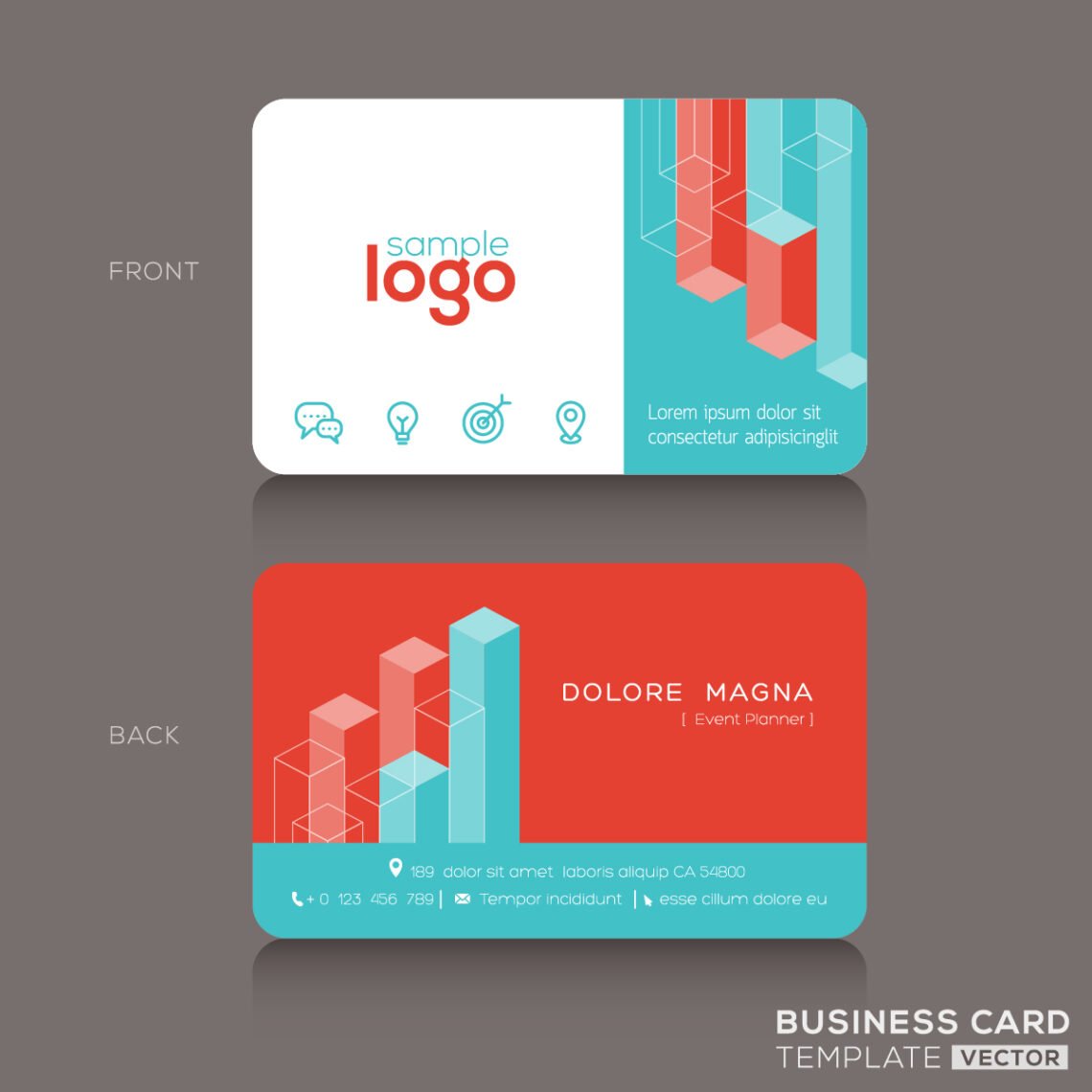
In real estate, first impressions happen fast. Often, your business card speaks before you do. Realtor business cards remain one of the most powerful offline tools for building trust, staying memorable, and turning brief meetings into lasting client relationships. Even in a digital-first world, a well-designed card can signal professionalism, credibility, and local expertise in seconds.
This in-depth guide explains why Realtor business cards still matter, how to design them for results, and what details help agents stand out in competitive markets.
Why Realtor Business Cards Still Matter
Despite social media and digital profiles, business cards continue to play a critical role in real estate networking. Open houses, property tours, inspections, and community events all create moments where a physical card feels natural and useful.
Studies on professional networking show that people are more likely to remember a brand when they receive a tangible item. Realtor business cards provide that physical reminder, reinforcing your name and services long after the conversation ends.
More importantly, clients often associate polished cards with reliable agents. A clean, thoughtful design builds confidence before any deal begins.
What Makes Realtor Business Cards Different
Real estate cards are not generic. They must balance personal branding with legal and industry expectations. Unlike other professions, Realtors often rely on local recognition, licensing transparency, and personal trust.
Effective Realtor business cards typically focus on:
- Clear identification as a licensed real estate professional
- Local market expertise
- Easy contact methods
- Strong personal branding
A card that feels personal yet professional helps clients feel secure reaching out.
Essential Elements of Realtor Business Cards
Every effective Realtor business card includes specific information that supports credibility and ease of contact.
Key elements include:
- Full name and professional title
- Brokerage name and logo
- Phone number and email address
- Website or property search link
- License number, if required by state regulations
Including accurate and up-to-date details prevents confusion and missed opportunities.
Design Principles That Build Trust
Design plays a major role in how your card is perceived. Overcrowded or outdated designs can undermine trust, even if the information is correct.
Keep the Design Clean
White space improves readability and gives your card a modern feel. Simple layouts often outperform busy designs because they are easier to scan quickly.
Use Brand Colors Wisely
Consistent colors across your cards, website, and signage help reinforce recognition. Neutral tones with one accent color often work well in real estate branding.
Choose Readable Fonts
Avoid decorative fonts that reduce clarity. Clean, professional typography ensures your name and contact details are easy to read.
The Role of Quality Materials
The physical feel of Realtor business cards matters more than many agents realize. Thick cardstock, matte finishes, or soft-touch coatings create a premium impression.
Research on tactile marketing shows that higher-quality materials can increase perceived value and trust. Clients subconsciously associate sturdier cards with more established professionals.
While premium materials cost slightly more, they often pay off through stronger recall and referrals.
Using Photos on Realtor Business Cards
Including a professional photo can be effective, especially for agents who rely on personal branding. A friendly, high-quality headshot helps clients remember you and feel comfortable reaching out.
However, photos must be professionally taken. Poor lighting or casual images can hurt credibility rather than help it.
If you choose not to include a photo, focus on strong branding and clear contact details instead.
Digital Integration With QR Codes
Modern Realtor business cards often bridge offline and online marketing. QR codes make it easy for clients to access listings, reviews, or contact forms instantly.
Common uses for QR codes include:
- Linking to property listings
- Directing users to your website
- Saving contact details to a phone
- Showcasing testimonials or reviews
When used correctly, QR codes enhance convenience without cluttering the design.
Real-Life Example: Turning Cards Into Leads
Consider an agent hosting weekly open houses. Instead of placing generic flyers, they hand out personalized Realtor business cards with a QR code linking to current listings.
Visitors scan the code, browse properties, and save the agent’s contact information. Over time, this simple strategy converts casual visitors into warm leads, all starting with a well-designed card.
Legal and Compliance Considerations
Realtor business cards must meet local and state regulations. Many regions require license numbers, brokerage disclosure, or specific wording.
Failing to include required information can lead to penalties or loss of credibility. Before printing, agents should verify compliance rules through their licensing authority or brokerage.
Compliance builds trust and protects your professional standing.
Common Mistakes Realtors Make
Even experienced agents sometimes overlook basics when designing business cards.
Common mistakes include:
- Outdated contact details
- Overloading the card with text
- Using low-resolution logos or images
- Ignoring brand consistency
- Choosing poor-quality printing
Avoiding these errors ensures your card supports your reputation rather than undermining it.
Customization for Different Audiences
One-size-fits-all cards are not always ideal. Some Realtors create variations for different audiences, such as buyers, sellers, or investors.
For example, a card tailored to investors might highlight market analysis services, while one for homebuyers focuses on personalized property searches.
This approach adds relevance without changing your core brand identity.
Data Insight on Business Card Effectiveness
Marketing research suggests that people who receive a business card are more likely to follow up than those who only exchange digital contact details. Physical cards act as visual cues that trigger memory and trust.
In real estate, where decisions involve large financial commitments, even small trust signals can influence client choice.
Sustainability and Eco-Friendly Options
Environmentally conscious Realtor business cards are growing in popularity. Recycled paper, minimal ink usage, and biodegradable materials appeal to eco-aware clients.
Sustainable choices also reflect modern values and social responsibility, which can strengthen brand perception in certain markets.
When to Redesign Your Realtor Business Cards
Your business evolves, and your cards should reflect that growth. Consider updating your cards if:
- Your branding has changed
- Your contact information is outdated
- Your market focus has shifted
- Your cards look outdated compared to competitors
Regular updates help keep your brand fresh and relevant.
Internal Content Ideas for Stronger Authority
To strengthen your overall content strategy, consider creating related topics such as:
- Real estate personal branding strategies
- Open house marketing ideas
- Local real estate networking tips
- Digital marketing tools for Realtors
These topics naturally support and expand on the value of Realtor business cards.
FAQs About Realtor Business Cards
Are Realtor business cards still effective today
Yes. They remain one of the most effective tools for personal networking and local brand recall.
Should Realtors include a photo on their cards
A professional photo can help with recognition, but it must be high quality and aligned with your brand.
How many business cards should a Realtor carry
Most agents carry at least 50 cards daily, especially during showings or events.
Do Realtor business cards need a license number
In many states, yes. Always check local regulations to ensure compliance.
Can digital cards replace physical ones
Digital cards are useful, but physical cards still offer stronger personal impact in face-to-face interactions.
Conclusion: Make Realtor Business Cards Work for You
Realtor business cards are more than contact tools. They are brand statements, trust builders, and lead generators when designed thoughtfully. From layout and materials to compliance and customization, every detail matters.
If you want to stand out in a crowded market, start by refining your business card. Invest in quality, clarity, and consistency. A single card handed out at the right moment can open the door to your next successful deal. Take action today and turn every introduction into an opportunity.